
Patio Paver and Awning Restoration
- Oil Stain Treatment
- Canton
- House
Out in the 1990s and 2000s subdivisions the stock is vinyl-sided with asphalt shingle, which means oxidation on the sun elevations and algae on the shaded roof planes.
Exact prices by size. Sales tax is shown as its own line on the estimate.
Two different jobs, one price table. The Victorian core is painted wood trim and porches on two-story houses: $299 up to 1,500 square feet of home, $349 up to 2,000, all soft wash and no charge for the second story. The 1990s and 2000s subdivisions southeast of town are vinyl-sided and larger, at $399 around 2,500 square feet, usually with big concrete and paver drives priced by area rather than charged at the $145 two-car price.
Here is the whole table. Find the size that matches and that is your price in Medina.
Priced on the square footage of your home, so we can quote from your address.
| Size | Price | Typical time on site |
|---|---|---|
| Up to 1,000 sq ft | $249 | 1 hr 15 min |
| 1,001 - 1,500 sq ft | $299 | 1 hr 30 min |
| 1,501 - 2,000 sq ft | $349 | 1 hr 45 min |
| 2,001 - 2,500 sq ft | $399 | 2 hr 15 min |
| 2,501 - 3,000 sq ft | $459 | 2 hr 30 min |
| 3,001 - 3,500 sq ft | $519 | 3 hr |
| 3,501 - 4,000 sq ft | $579 | 3 hr 15 min |
| 4,001 - 4,500 sq ft | $649 | 3 hr 45 min |
| 4,501 - 5,000 sq ft | $719 | 4 hr |
| 5,001 - 5,500 sq ft | $799 | 4 hr 30 min |
| 5,501 - 6,000 sq ft | $879 | 5 hr |
Included: Siding, brick face, eaves, soffit, fascia, the outside of the gutters and downspouts hand-scrubbed, and the attached garage door.
Not included: The inside of the gutters. Interior clean-out is its own service, and it is free with a roof soft washing.
Most often paired with: Roof Soft Washing
Each size links to its own page. Quoting a figure? How to cite these prices.
Medina County sales tax of 6.75% is added at the bottom of the estimate, shown as its own line. On a $249 job in Medina that is $16.81.
Every other service, priced the same way.
Quoting a figure from this page? How we would like to be cited.
Appearance standards there are real and enforced — storefront facades, awnings, entries and sidewalk frontage all read as part of one district rather than as individual buildings.
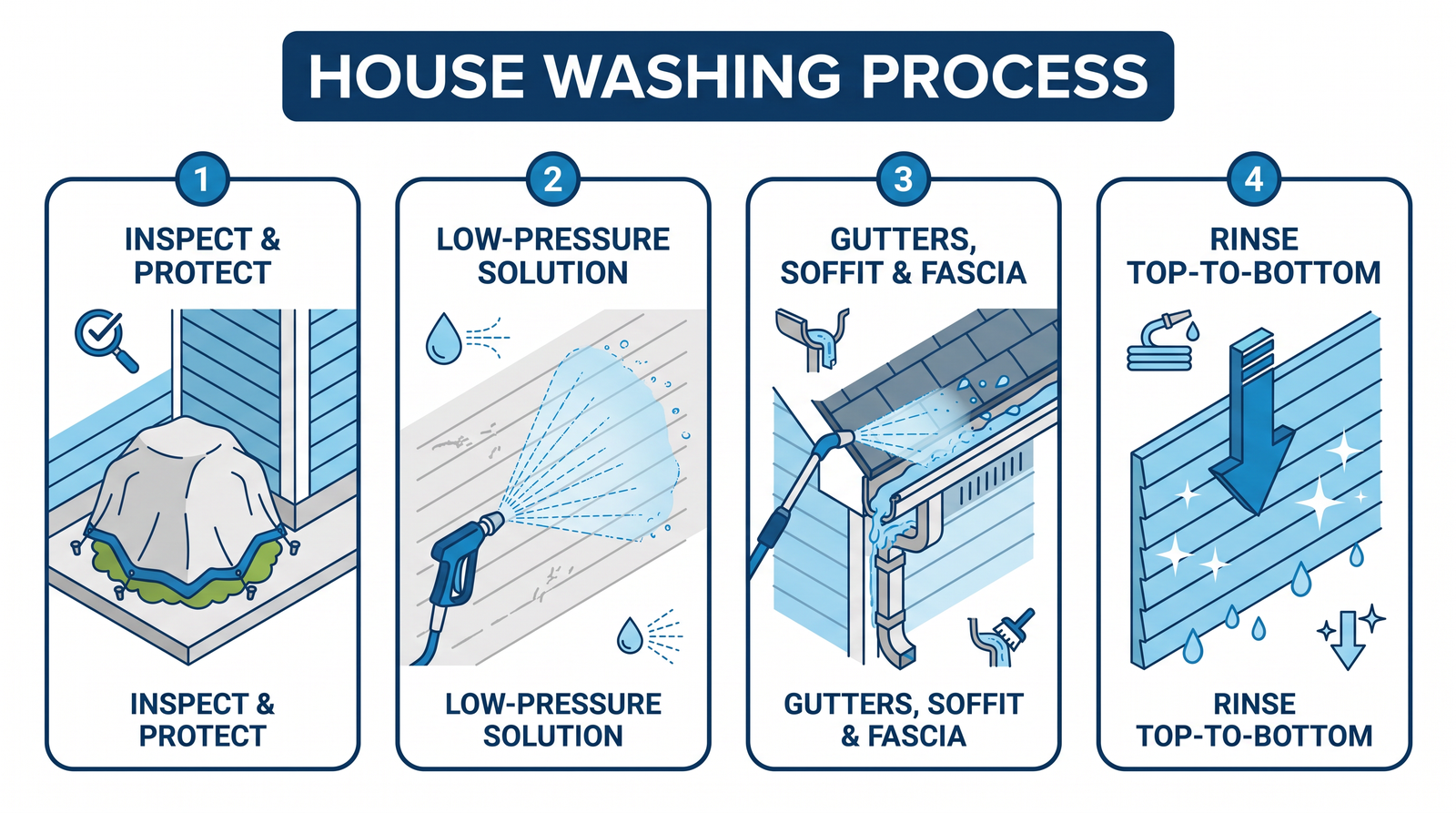
We identify what every elevation is actually made of first, because vinyl, brick, stucco, painted wood and fiber cement do not tolerate the same thing. Plants and fixtures near the house get pre-wetted and covered. A cleaning solution matched to the material is applied at low pressure and given time to work, then the whole envelope is rinsed top to bottom with a fresh-water rinse that carries the solution off the surface and away from the beds rather than into them.
Every elevation is identified before anything is applied, because vinyl, aluminum, brick, stucco, EIFS, painted wood, cedar and fiber cement do not tolerate the same treatment. And the whole wall is cleaned together on purpose. Setting up, mixing, running hose and packing up is the same work whether or not the trim is included, and the soffit, fascia and gutter faces are reached on the same pass from the same standing position — so leaving them out would save about ten minutes and nothing else. It also looks worse: a clean wall under a dirty soffit band draws the eye straight to the band, and the black streaks people actually notice are on the gutter faces.
What to expect: Siding looks its best the same day. The one thing worth knowing beforehand is chalking: if a sun-facing wall leaves powder on your hand, that is pigment leaving the finish rather than soil sitting on top of it. A lot of siding is designed to shed that chalk with washing, and the wash often takes it off. If a wall is still chalked once it is clean, that is treated separately and priced after we have seen it. Brick cleans at the same price as vinyl, with no material surcharge.
Worth adding: Roof Soft Washing. The roof drains onto the walls you just had cleaned. Doing the roof first, on the same visit, means the runoff lands on siding that is about to be washed rather than on siding that already was — and it costs less than two separate trips.
Forcing water behind siding or into seals and vents causes moisture problems, not a cleaner house. A controlled, low-pressure approach protects those openings while still lifting dirt and organic growth.
The method does not change from one town to the next — what changes is what we find when we get there. The full house washing page has the rest of it.
Two different problems on one house. The sun-facing elevations have oxidized — the vinyl finish itself has broken down into a dull, chalky layer, which is why a rinse wets it and it dries back looking the same. A lot of siding is made to shed that chalk with washing, so the wash comes first and often takes it off; whatever is left once it is clean is treated and priced after we see it. The shaded planes, usually the roof, hold moisture and grow algae, which is organic and releases with a soft wash. The 1990s and 2000s Medina subdivisions are almost entirely vinyl siding with asphalt shingle, which is the pairing where this split shows up most.
Why a wash leaves chalky siding chalky-looking, and what actually improves it, is explained in why a wash will not bring the color back.
You can get your own number right now: the instant estimate prices your property from the address in about two minutes, and what you accept is what you pay.
Learn More — what siding oxidation is and why pressure washing won't fix it
Yes. Where a district or review commission sets appearance standards, the safe path is cleaning that removes soiling and organic growth without altering the material or its finish, which is what soft washing is for. We do not sandblast, strip, or apply coatings to a historic facade, and we don’t treat a cleaning as an opportunity to change how a building looks. Confirm any approval requirement with your local commission before scheduling, and we can provide a written scope stating exactly what will be cleaned and by what method so you have something to submit.
Historic exteriors get the gentlest method that will do the job: low-pressure soft washing, solutions matched to the material, and a test in an inconspicuous area before committing to an approach. Original brick, aged mortar, wood clapboard, painted trim, and old glazing all fail under pressure that modern vinyl shrugs off, so pressure is not the tool. We inspect for failing paint, open joints, and loose material first and tell you what we would leave alone. Districts like these are part of our regular work in Canton’s Ridgewood area, Medina, Wooster, and Mansfield.
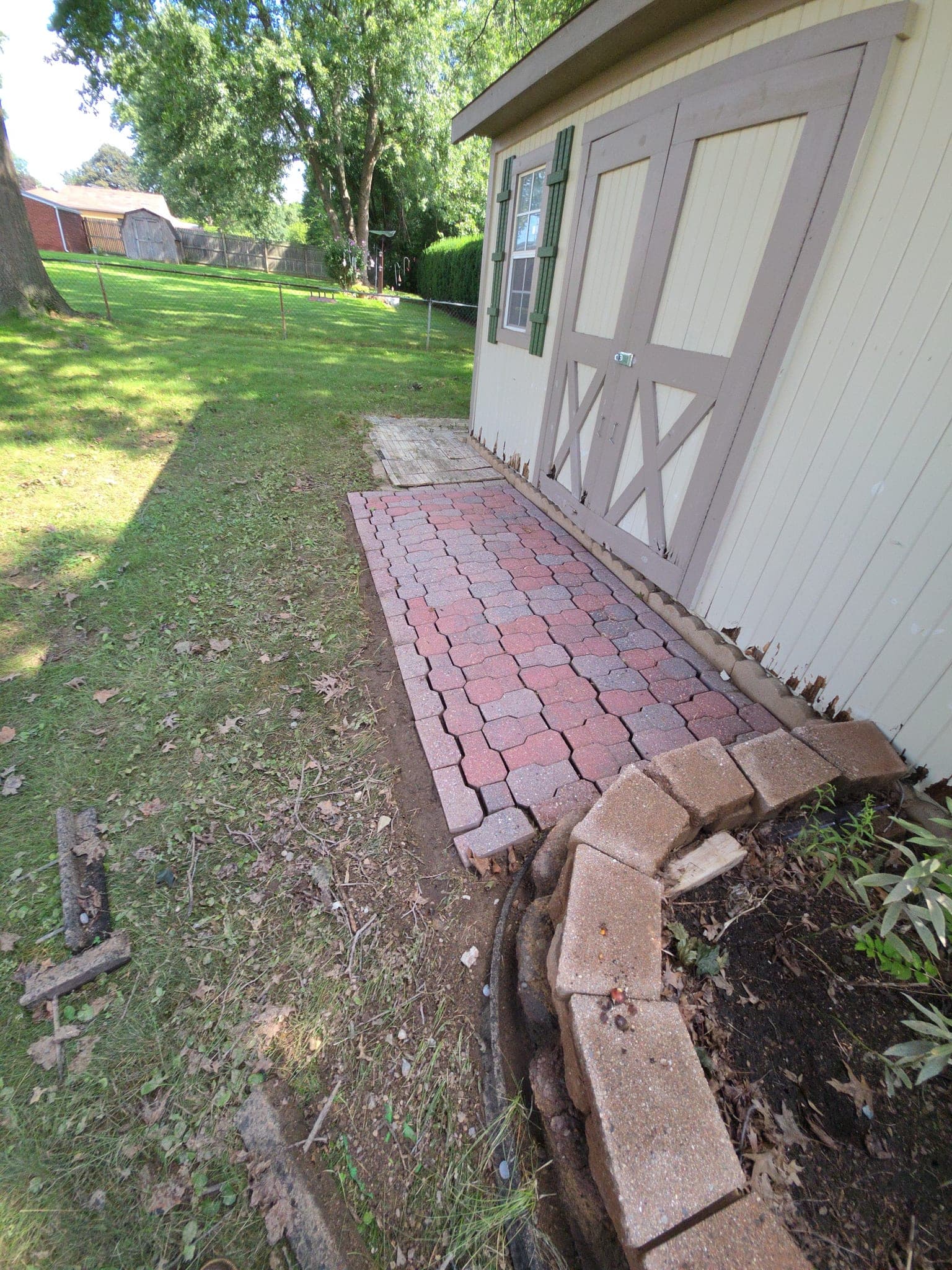
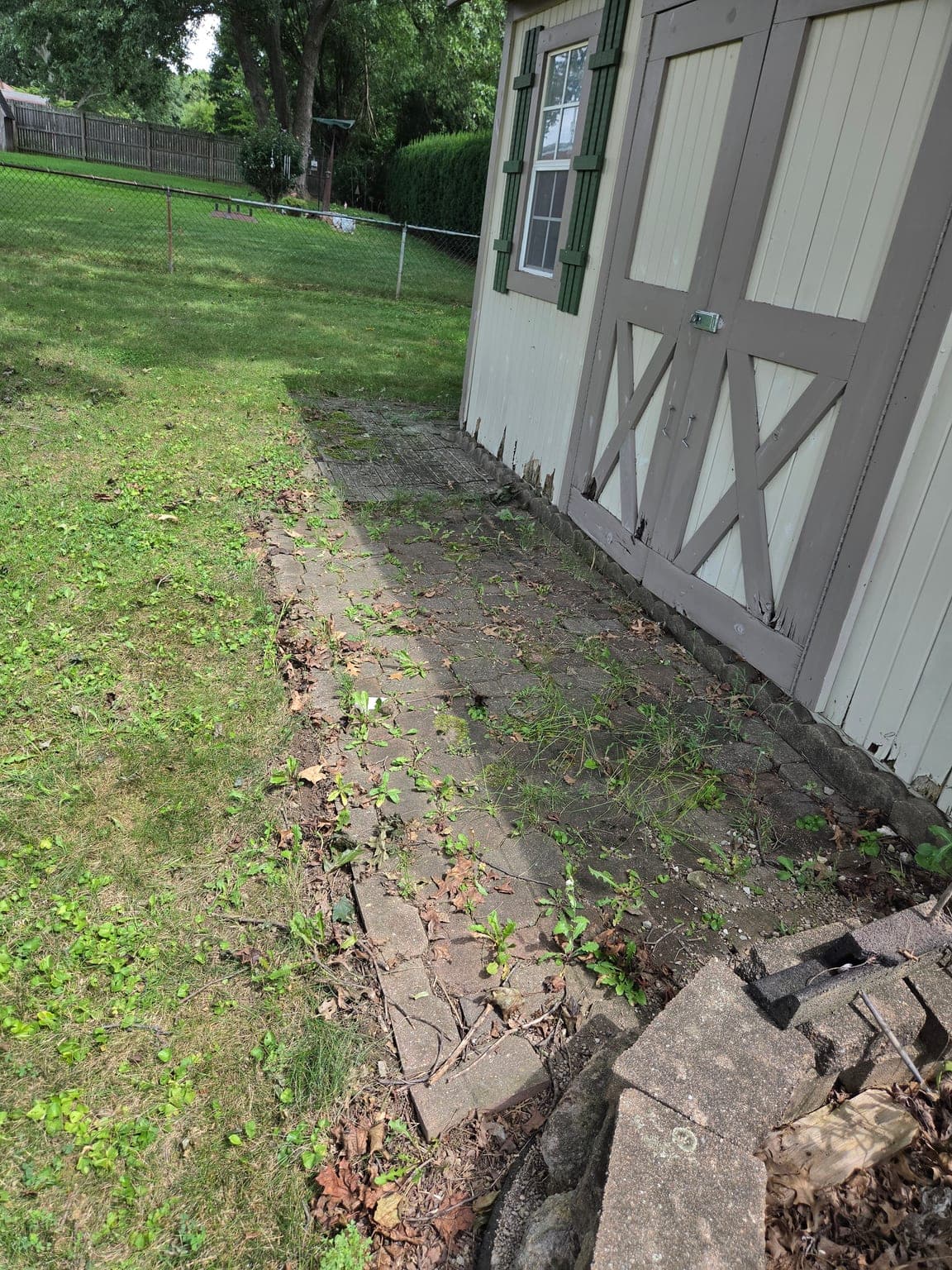
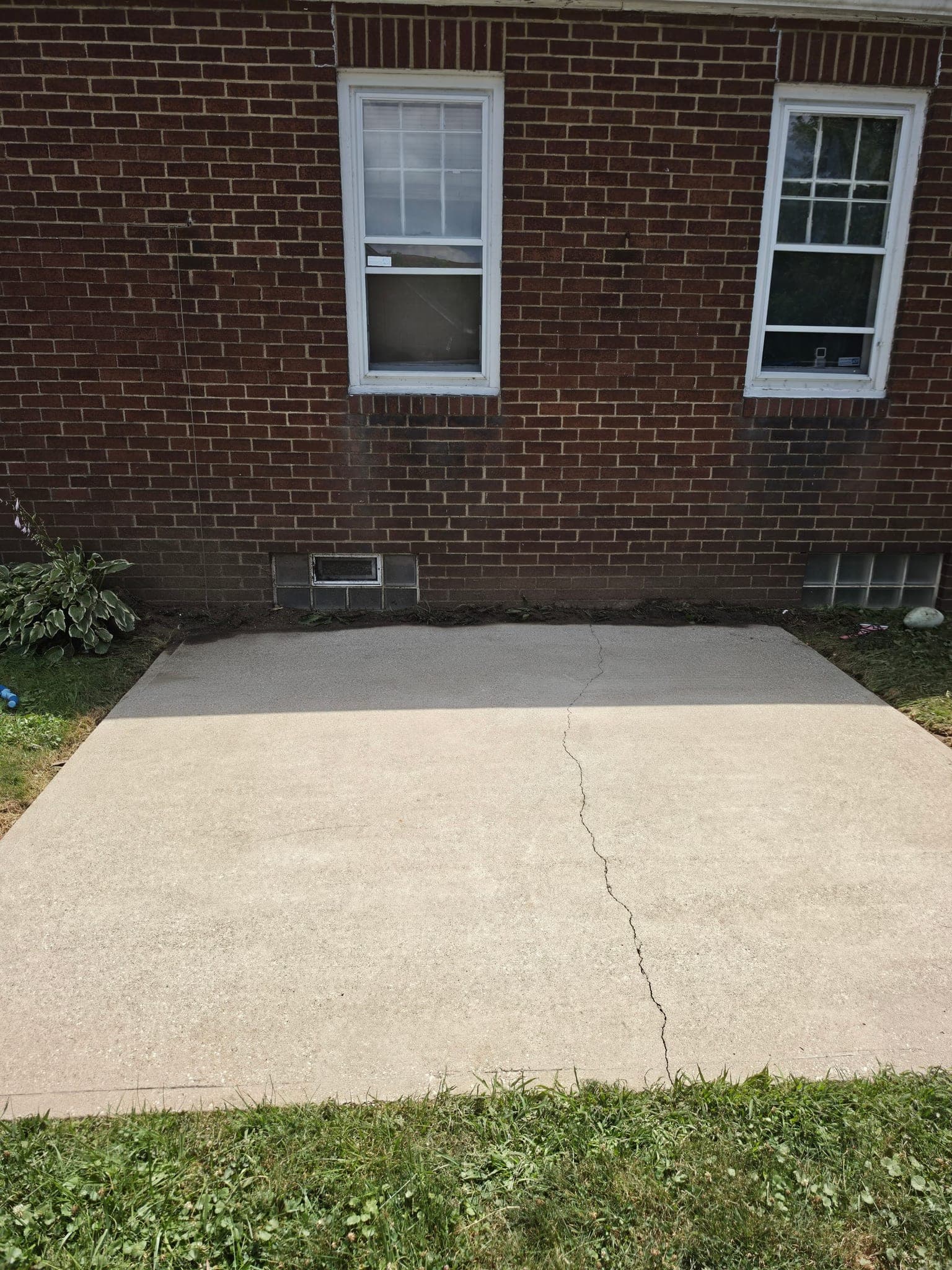
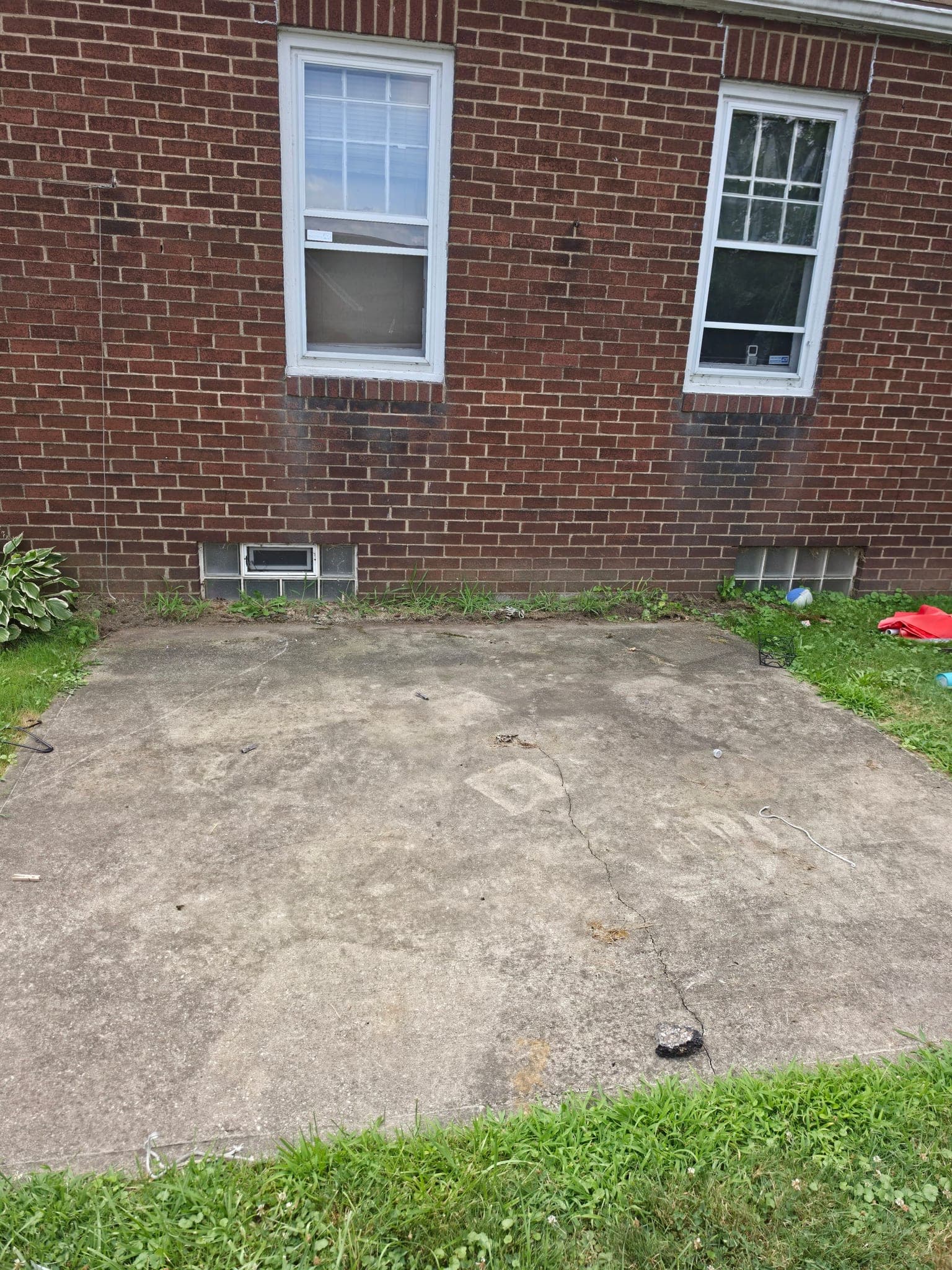
Hardscape, and more of it than most streets in the city carry. The newer southeast allotments have the largest hardscape loads in Medina — wide concrete and paver drives, walkways and patios — and organic growth and rust staining show up clearly on light-colored surfaces, so problems read early here. Where we find rust staining we identify the likely source before treating it, because otherwise the stain returns next season and you pay for the same removal twice. Paver areas get joint-safe technique so the sand stays put. The siding on houses this age is usually the last thing that needs doing, not the first.
Because around the square, cleaning is appearance work judged against the whole district rather than one building. Medina Square is a recognized historic district covering a nine-block area around Uptown Park, and the city maintains both a Community Design Committee and a Historic Preservation Board specifically to preserve its look and feel. Facade, awning, entry and sidewalk frontage read as one surface to anyone walking past, so cleaning half of it just moves the eye to the half you skipped. On the material side, the Victorian commercial blocks are painted wood, decorative trim and older masonry — soft washing only, because pressure strips paint and opens mortar joints.
More often than most owners expect, because of traffic volume and visibility. The city supports around 257 restaurant, bar and fast-food locations plus about 28 coffee shops — drive-thru pads, entry concrete and patio slabs all accumulate grease and traffic staining on a predictable cycle, and a drive-thru lane is the fastest of the three because oil and food waste soak into the pores of the slab rather than sitting on it. North Court Street is the retail spine with Medina Shopping Center and Medwick Marketplace anchoring it. And the square's calendar of car shows, farmers markets, Art in the Park and the Ice Festival keeps its sidewalks under constant scrutiny, so downtown accounts often clean to the event schedule rather than the season.
No. One price covers the house at that size, whether it is one story or two. A 1,200 square foot home is $299 either way, and a 2,000 square foot home is $349 either way — you read your price off the table without doing arithmetic or wondering which column applies to you. A second story does take longer and needs more reach, and that is already built into the size-based price rather than added on top. Genuine difficulty does carry an add-on: a third story, or an elevation that cannot be worked from the ground. Anything like that is identified while the property is walked and stated before the work starts, never added afterward.
You can get your own number right now: the instant estimate prices your property from the address in about two minutes, and what you accept is what you pay.
Roof first, then siding, then concrete — because each one drains onto the next. A colonial of that era in Solon typically means two full stories of siding, a steep roof with multiple planes, and a driveway poured around the same time. The roof is soft washed at height without touching the shingle. The sun-facing walls are usually chalked: the wash comes first and takes off what the siding is designed to shed, and whatever is left is treated and priced after we see it. And a drive that has held nearly fifty winters of road salt is surface cleaning with stain treatment. Three different methods, three different outcomes, and most owners take them across two seasons.
Why a wash leaves chalky siding chalky-looking, and what actually improves it, is explained in why a wash will not bring the color back.
You can get your own number right now: the instant estimate prices your property from the address in about two minutes, and what you accept is what you pay.
Learn More — what siding oxidation is and why pressure washing won't fix it
Three different jobs on the same piece of metal.
Gutter cleaning is the outside face of the gutter and downspout. It comes with a house wash or a siding cleaning at no extra cost.
A gutter clean-out is interior work: removing packed leaves, shingle grit and sediment from inside the trough, then flushing each downspout to confirm water runs through it. It is included free with roof soft washing, because roof work puts debris into the gutters by design. It is also sold on its own, priced per linear foot, with no other service required.
Gutter brightening removes the dark vertical striping bonded to the front face, often called tiger striping. That is oxidized aluminum and road film chemically stuck to the finish, so it needs a dedicated product and will not come off with house wash solution. It is never included in a house wash.
A quick way to tell what you need: if the inside is full, you need a clean-out. If the outside is streaked dark, you need brightening. If neither, the cleaning that comes with your wash is enough.
The gutter clean-out is free with a roof soft wash, free with the maintenance plan's autumn visit, and 25% off added to any other service, and the rate is published on the pricing page. More on what the gutters do to a roof in black streaks, moss and lichen.
Why a wash leaves chalky siding chalky-looking, and what actually improves it, is explained in why a wash will not bring the color back.
You can get your own number right now: the instant estimate prices your property from the address in about two minutes, and what you accept is what you pay.
One visit, two methods. Houses here were built from 1991 onward and mixed elevations are the norm rather than the exception — brick running into stucco running into a frame gable on the same wall. Those surfaces do not take the same solution or the same pressure, and stucco in particular will hold a cleaning solution far longer than brick will, so a single blanket approach either undercleans the brick or overworks the stucco. Each material on the elevation gets its own method and its own line, because a number that does not name the materials cannot account for the difference between them.
You can get your own number right now: the instant estimate prices your property from the address in about two minutes, and what you accept is what you pay.