
Patio Paver and Awning Restoration
- Oil Stain Treatment
- Canton
- House
Cuyahoga Falls is built around a river gorge, and that geography drives the work. Steels Corner, Brook Heights, Silver Lake, River Estates and the Water's Edge properties sit close to water, tree cover and constant humidity, which is exactly what organic growth wants.
Exact prices from the price book, by size. Sales tax is shown as its own line on the estimate.
The bungalows, Cape Cods and ranches that fill most of Cuyahoga Falls are $249 up to 1,000 square feet of home and $299 up to 1,500. The two-story Colonial Revivals near Broad Boulevard are $299 to $349 at the same sizes — a second story does not add to the price. Roof soft washing is priced on roof area, $349 for a roof up to 1,000 square feet, and the shaded river-valley slopes here are the ones that need it soonest.
Every price we charge is on this site. Find your home’s square footage — or let us work it out from your address — and you have your price. See the full price list.
Steels Corner and Brook Heights sit at the north end, and Silver Lake holds lake-view homes with private club amenities and strong community associations — where an association standard means a dirty elevation gets noticed by somebody other than the owner. Northampton brings spacious properties on large wooded lots, ranging from traditional farmhouses to newer custom builds. Just north of the business district, the Broad Boulevard streets hold houses dating to the early 1900s under mature tree canopy, and the Phelps Avenue homes are close to a century old. Citywide the stock runs cozy bungalows, sprawling ranches, townhouses and condos, most with large yards and established landscaping — meaning mulch-line splash, shaded siding and a lot of hardscape under trees.
Cuyahoga Falls divides by era, and the era decides the method. Steels Corner, Brook Heights, Water's Edge and the Northampton custom builds are newer and hardscape-heavy; Broad Boulevard, Mud Brook and the streets near the business district are early-twentieth-century houses that need a much lighter hand.
Mud Brook's bungalows, Cape Cods and Colonial Revivals and the wrap-around-porch houses near the business district are painted wood and older masonry — soft wash, low pressure, and careful rinse control around porch decking and railings. The Broad Boulevard Historic District's early-1900s houses sit under enough canopy that north-facing roofs and shaded siding grow moss and lichen rather than just algae, and lichen on old shingle has to be treated and left to release. On the newer end, the custom builds in Northampton and the river-view homes carry large paver and poured patios, retaining walls and pool decks where the job is deep-cleaning hardscape without blowing out joint sand.
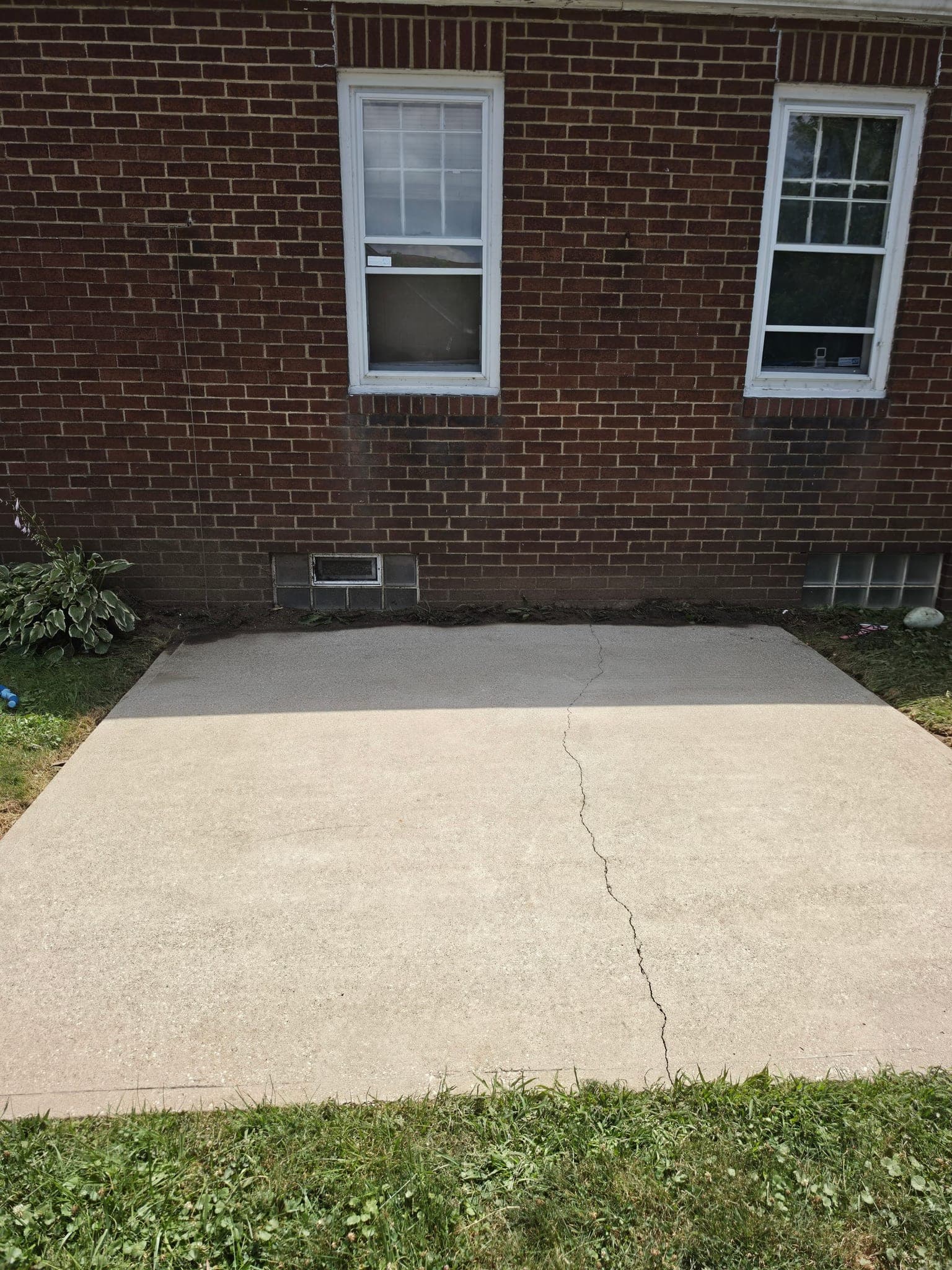
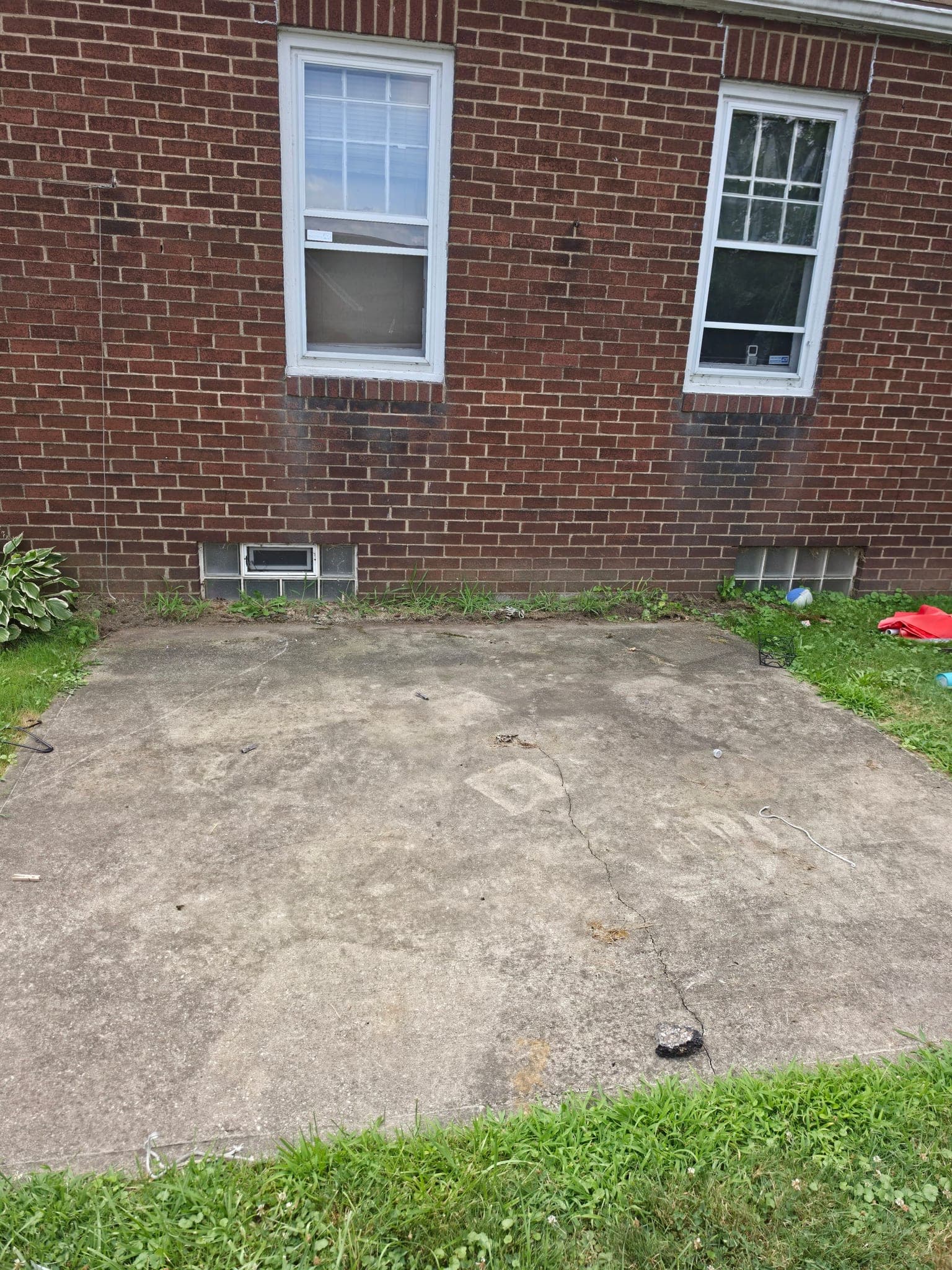
Front Street's cafes, restaurants and breweries sit alongside a riverfront plaza and a heavy festival and outdoor-dining calendar, which means patio slabs, entry pads and sidewalk frontage soil on an event rhythm rather than a seasonal one. Howe Avenue on the southern border is the city's busiest commercial corridor and Portage Crossing one of its largest centers — parking concrete picking up tire staining and oil drip, dumpster pads fouling fastest of anything on the property, and walkways taking the foot traffic between them.
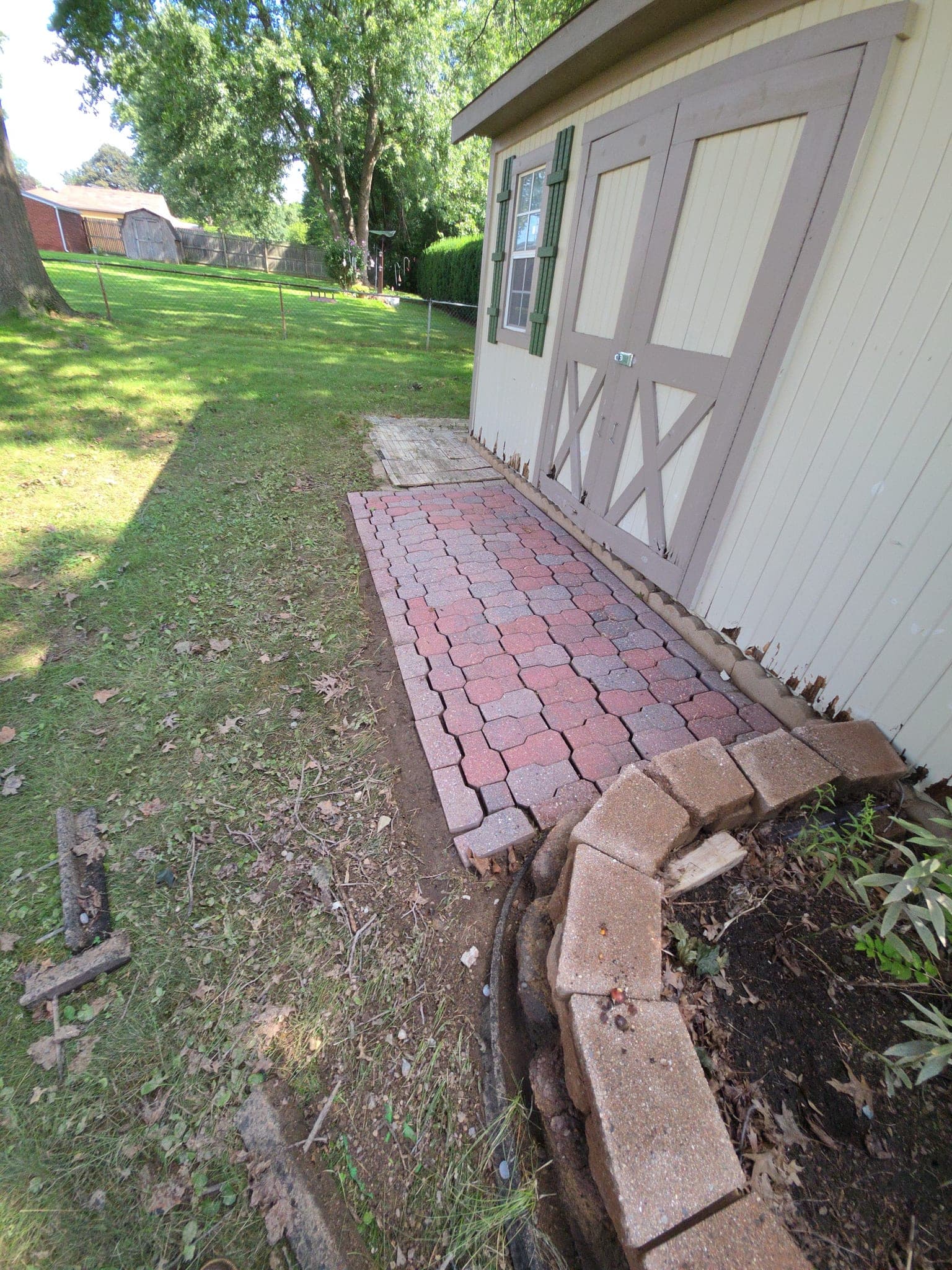
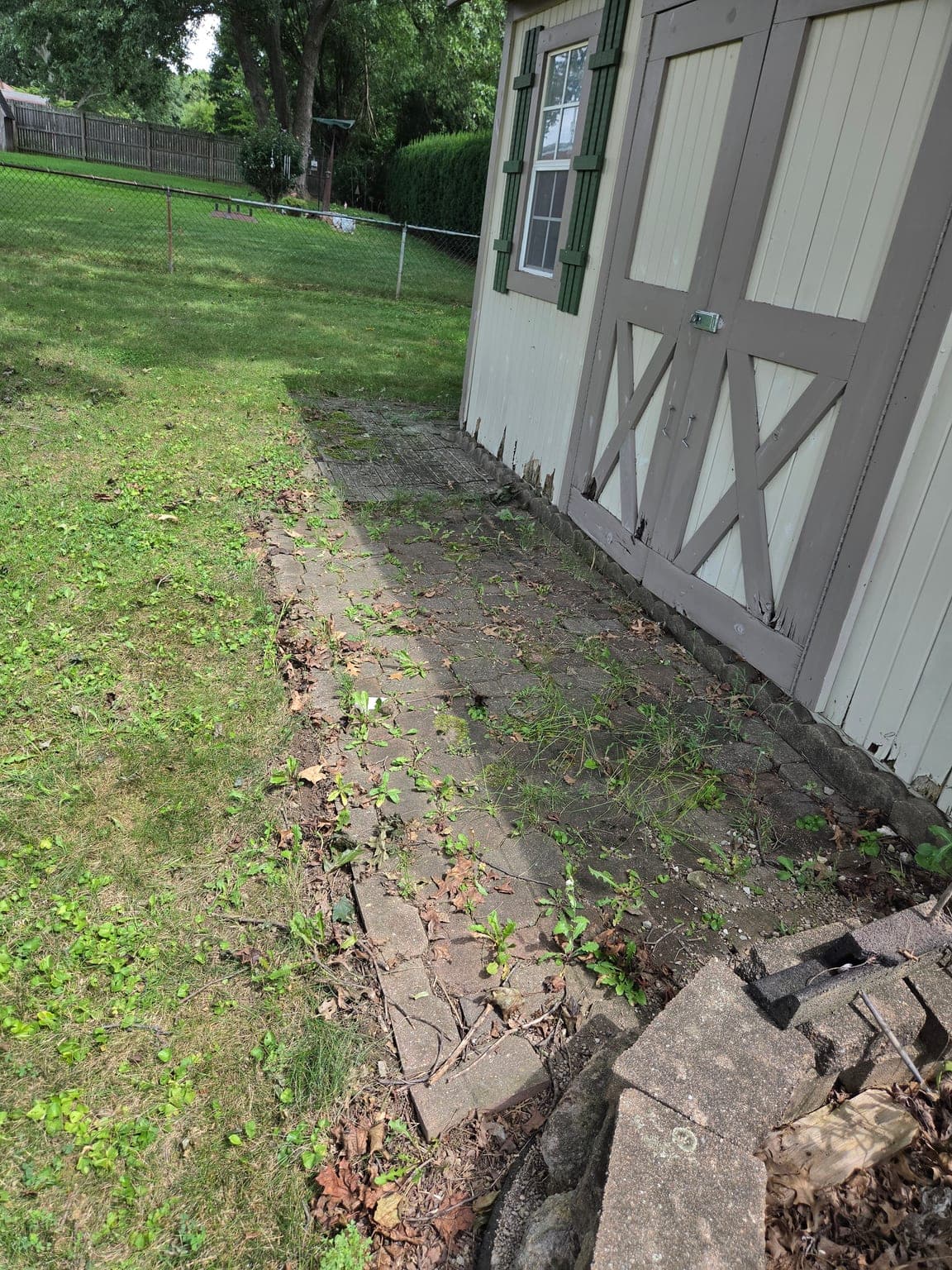
Hardscape is usually the centerpiece here — paver and poured patios, retaining walls and pool decks. The constraint worth knowing before anyone starts is joint sand: pavers have to be cleaned across the joints rather than into them, and the difference is a clean patio versus a patio that needs re-sanding. If the joints are already depleted, re-sanding is needed either way. Under the canopy near the river, shaded roofs and siding carry moss and lichen that keep releasing for weeks, while the patio beside them is finished the same afternoon.
The Broad Boulevard Historic District, just north of the business district, is the city's period residential district, with many houses dating to the early 1900s on tree-lined streets. Silver Lake carries strong community associations and private club amenities, so appearance standards there are a neighborhood expectation, not just a personal one.
The ones naming Cuyahoga Falls go to a page written about this city’s surfaces, with the full price table on it.
Not the way we do it, and this is the single most important method constraint on a paver job. Pavers are cleaned with pressure and angle controlled specifically to lift growth and staining without stripping the joints — because once the sand is gone you have a re-sanding job on top of the cleaning you just paid for, and unstable joints let pavers shift. The custom builds in Northampton and the river-view homes carry large paver and poured patios, retaining walls and pool decks, so this comes up constantly here. Joints that are already depleted will need sand regardless of how the cleaning is done, and that is identifiable before anything starts rather than discovered afterward.
A shorter interval between washes, and trimming the trees back off the roof. Shade and tree cover keep surfaces damp longer, and damp plus low sunlight is exactly what algae, moss and lichen need, so growth returns faster on wooded lots than on open ones. Cleaning removes what is there now; staying ahead of it means yearly or better on the north and tree-facing sides, and keeping branches off the roof and gutters clear so surfaces can dry.
A shaded lot is the case the maintenance plan was built for: $149 a year adds an autumn visit and spot re-clean, and extends the roof warranty to three years.
Learn More — what black streaks, moss, and lichen actually do to a roof
On a rhythm tied to your events, not to the seasons. Front Street carries close to thirty cafes, restaurants and breweries alongside boutiques, a riverfront plaza and a heavy festival and outdoor-dining calendar — so the useful question is not what month it is but what is on the calendar next. Patio slabs, entry pads and sidewalk frontage want to be clean going into a festival weekend and cleaned again after it, which is a different schedule than an office park would run. The event calendar is what the interval should be built around — a festival weekend soils a patio faster than a month of ordinary trade, so the cleaning belongs either side of it rather than on a fixed quarterly date.
Yes. Those Summit and Portage County communities are within our regular range, along with Akron itself. We do residential house washing, roof soft washing, deck and patio cleaning, and concrete work there, plus commercial exterior maintenance for storefronts and managed properties. Work in that direction is often grouped on the same day, so choosing a weekday window when you accept your estimate usually gets you in sooner.
You can get your own number right now: the instant estimate prices your property from the address in about two minutes, and what you accept is what you pay.
Three separate surfaces that soil at different rates. Parking concrete picks up tire staining and oil drip and holds it in the pores. Walkways and entries take foot traffic, gum and spilled drink. Dumpster enclosures foul fastest of anything on the property and need degreasing rather than washing. Howe Avenue on the southern border is Cuyahoga Falls' busiest commercial corridor and Portage Crossing one of its largest centers, and on a property that size the enclosures usually need attention several times for every once the lot does.
Tree canopy plus river humidity. The Broad Boulevard Historic District's early-1900s houses sit under enough canopy that north-facing roofs and shaded siding grow moss and lichen rather than just algae, and lichen on old shingle has to be treated and left to release rather than forced off. That means results continue to improve for some weeks after the visit rather than finishing the day we leave. On the houses themselves — bungalows, Cape Cods and Colonial Revivals with painted wood and older masonry near Mud Brook and the business district — it is soft wash at low pressure, with careful rinse control around porch decking and railings.
Learn More — what black streaks, moss, and lichen actually do to a roof
Two different problems on one house. The sun-facing elevations have oxidized — the vinyl finish itself has broken down into a dull, chalky layer, which is why a rinse wets it and it dries back looking the same. A lot of siding is made to shed that chalk with washing, so the wash comes first and often takes it off; whatever is left once it is clean is treated and priced after we see it. The shaded planes, usually the roof, hold moisture and grow algae, which is organic and releases with a soft wash. The 1990s and 2000s Medina subdivisions are almost entirely vinyl siding with asphalt shingle, which is the pairing where this split shows up most.
Why a wash leaves chalky siding chalky-looking, and what actually improves it, is explained in why a wash will not bring the color back.
You can get your own number right now: the instant estimate prices your property from the address in about two minutes, and what you accept is what you pay.
Learn More — what siding oxidation is and why pressure washing won't fix it
Usually two things, and they are different jobs. The shaded roof slope carries algae streaking on asphalt shingle, which is a low-pressure soft wash and nothing else — walking or pressuring a shingle roof costs you shingle life. The siding on the elevation that has faced south for forty years is often chalky oxidation rather than dirt, and a lot of siding is made to shed that chalk with washing, so the wash comes first and often takes it off. Whatever is still there once it is clean is treated and priced after we see it. We tell you on the walk-through which of those two you actually have, because they carry different prices and different outcomes.
Why a wash leaves chalky siding chalky-looking, and what actually improves it, is explained in why a wash will not bring the color back.
Learn More — what siding oxidation is and why pressure washing won't fix it
No — and treating them the same is why a standard wash sometimes disappoints. Washed-out siding on a Northwest Akron split-level or Cape Cod is usually oxidation: the painted or aluminum finish has broken down, so a rinse wets it and it dries back to the same dull grey. The wash comes first and takes off what the siding is designed to shed, and whatever is left is treated and priced after we see it. The dark streaking on the roof is a living organism growing on the plane facing the tree line, and it releases with a low-pressure soft wash. One is a finish problem and one is a growth problem, and they are identified before anything is applied.
Why a wash leaves chalky siding chalky-looking, and what actually improves it, is explained in why a wash will not bring the color back.
You can get your own number right now: the instant estimate prices your property from the address in about two minutes, and what you accept is what you pay.
Learn More — what siding oxidation is and why pressure washing won't fix it
Soft washing uses low pressure and a solution matched to the material, which is why it is the recommended method for shingles, painted wood, vinyl, and other surfaces that high pressure can damage. Concentration, dwell time, and rinse approach are adjusted to the surface and its condition rather than applied the same way everywhere.