
Patio Paver and Awning Restoration
- Oil Stain Treatment
- Canton
- House
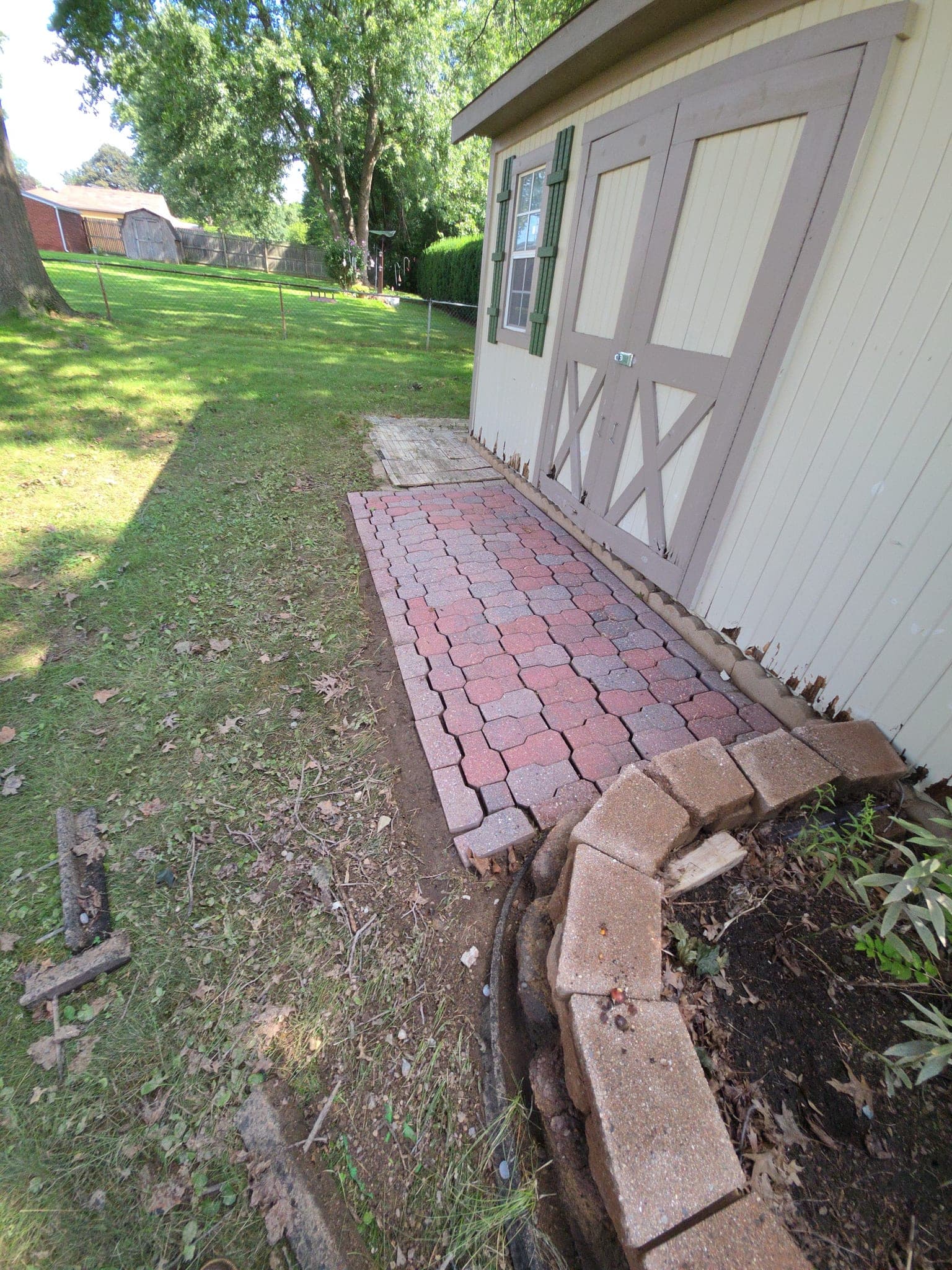
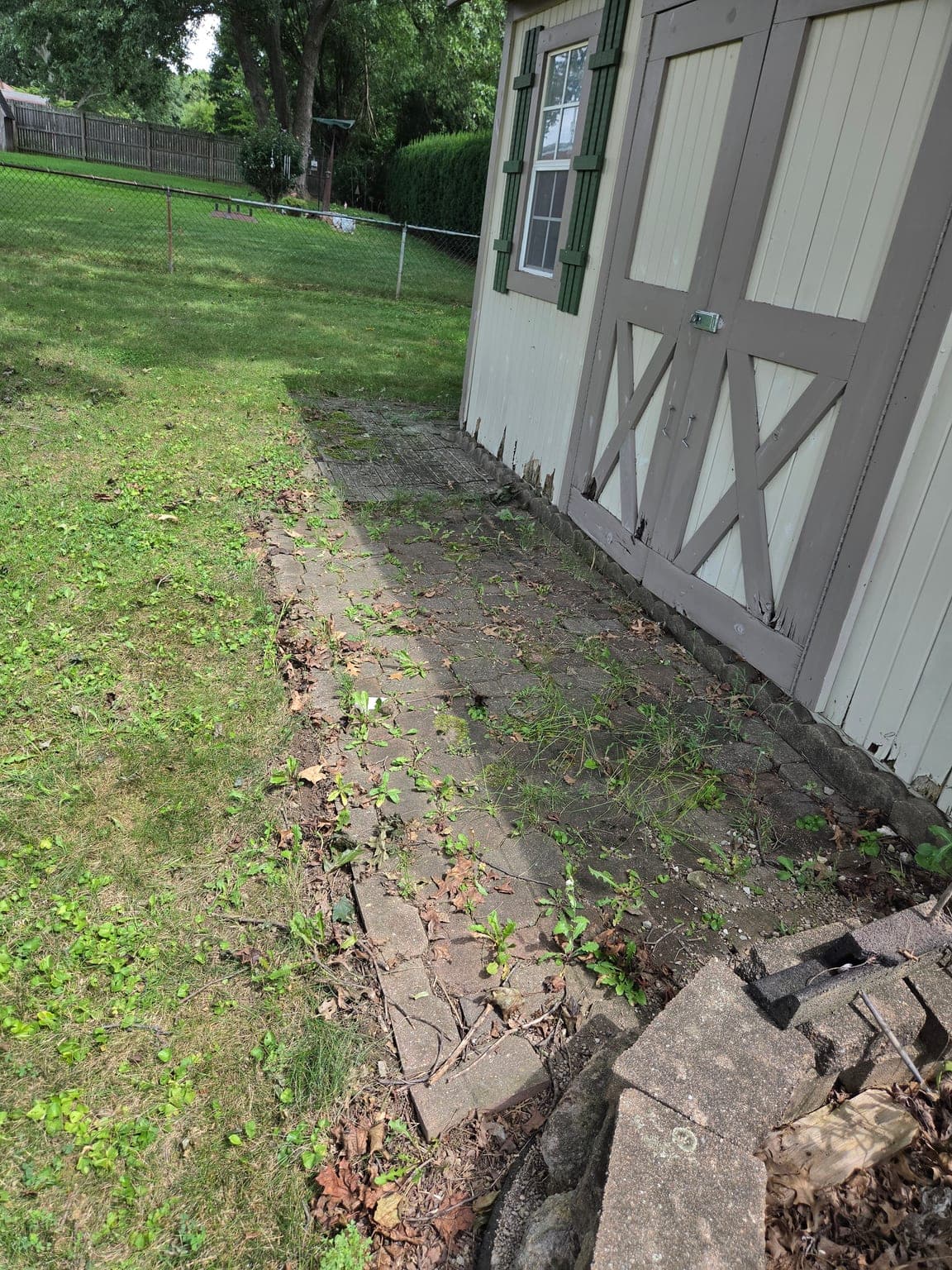
North Canton's housing is generally kept on an interval rather than left until algae has streaked a roof or oxidation has dulled a wall. That changes what most of the work here actually is: upkeep on surfaces still in sound condition, rather than recovery of a surface that has already gone past the point where washing alone corrects it.
Exact prices from the price book, by size. Sales tax is shown as its own line on the estimate.
North Canton is brick colonials, bungalows, split levels and ranches, and about two thirds of it is single-family. A home up to 1,500 square feet is $299 whether it is one story or two. The newer builds toward the edges run larger — 2,500 square feet is $399. Detached garages are priced on their own, at $139 for a two-car.
Every price we charge is on this site. Find your home’s square footage — or let us work it out from your address — and you have your price. See the full price list.
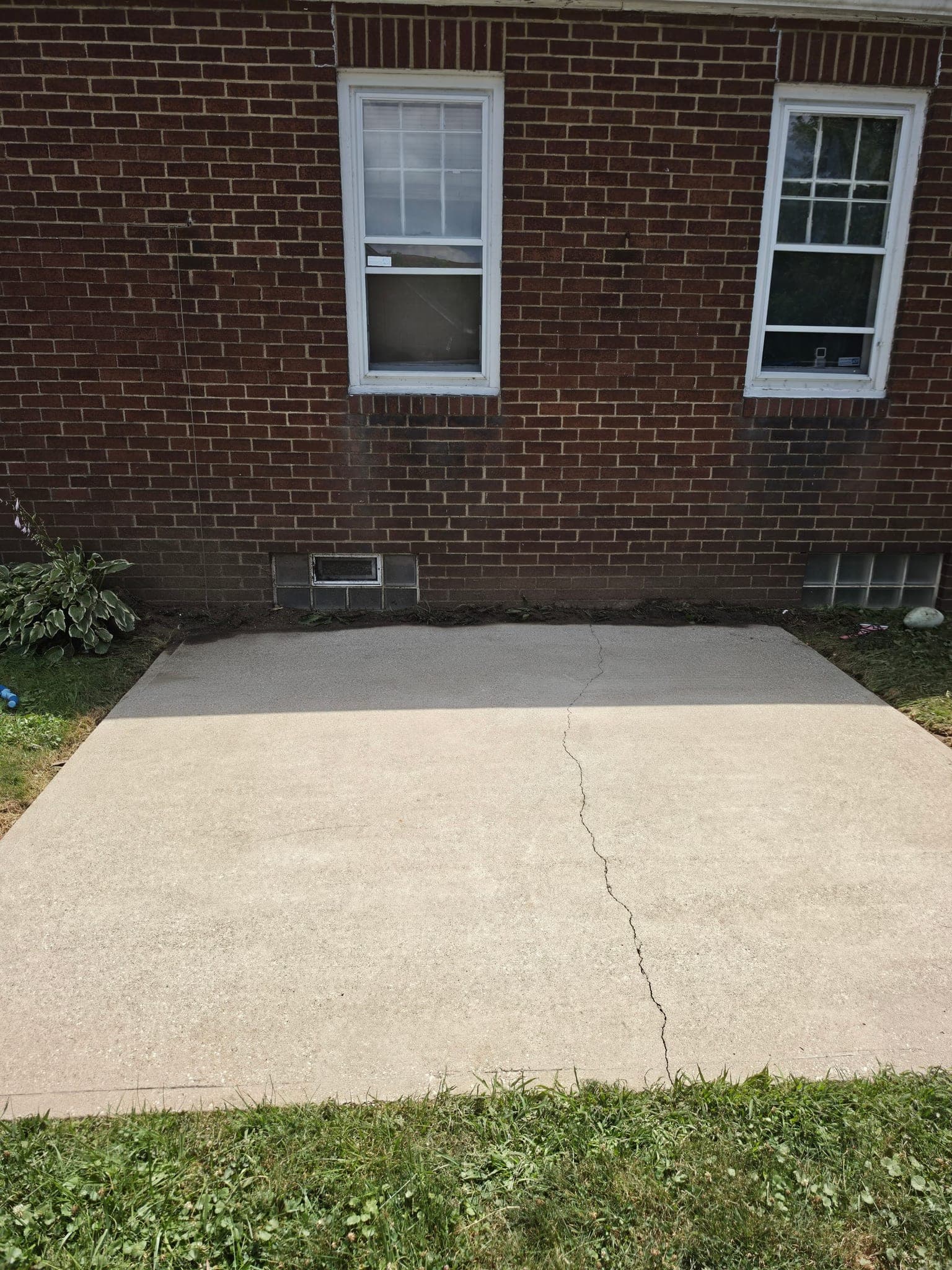
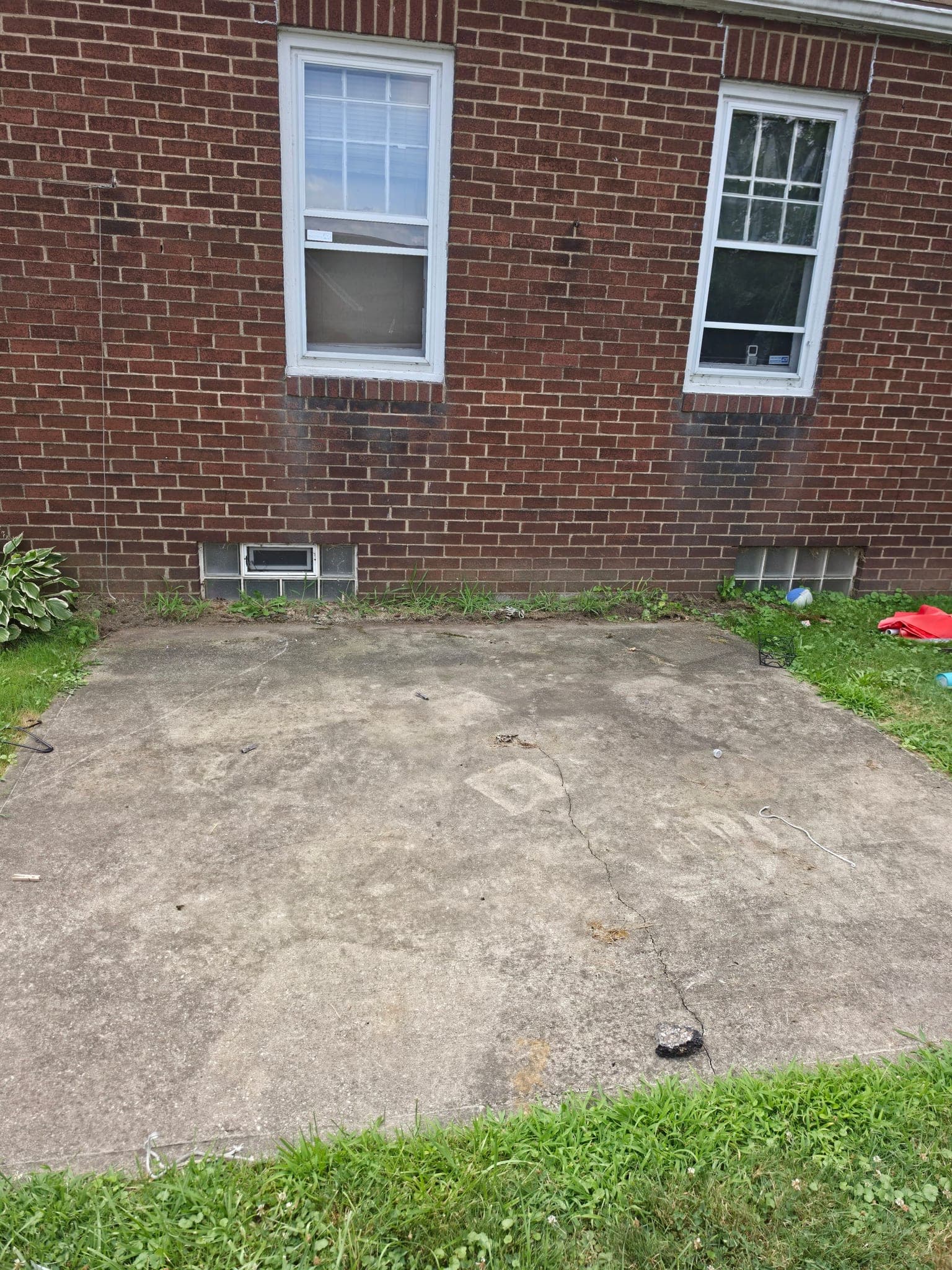
The city's housing is mostly single-unit and mostly maintained: brick colonials, bungalows, split levels, ranches and a handful of surviving farmhouses on the interior resale streets, with condos, villas and new construction filling in at the edges. Around the Mount Vernon area, spacious lots and gridded subdivisions of colonials and split levels mean long concrete drives, wide front walks and two-story siding elevations that need reach rather than pressure. The newer edge-of-city builds and the 55-plus courtyard communities bring stone veneer, stamped concrete and covered patio hardscape into the mix. Commercially the pattern is compact rather than spread out, and that matters at the surface: a restaurant patio, a drive-thru lane and a neighboring entry pad share the same sidewalk, so grease tracked off one lands on the next.
The character of North Canton shifts noticeably as you move through it. The interior streets are older brick and frame stock on established lots; the newer construction on the outer edges runs larger, with more hardscape and more stone. The 55-plus communities are their own category — shared landscaping and tight setbacks mean the row is judged as one look, not unit by unit.
The mixed age of the stock is the whole story here. A brick colonial from the 1950s and a 2020s build with stone veneer and fiber-cement trim need different chemistry, different pressure and different rinse discipline, and putting one process on both is how siding gets streaked. Split levels and ranches on the interior streets tend to show chalking oxidation on the sun sides and algae on the shaded roof planes, while the newer subdivisions mostly need concrete and paver work — fresh gray concrete shows organic staining and tire marking sooner than aged concrete does.
Main Street's mixed-use core has a DORA and an active beautification program, which means sidewalk, entry and patio appearance is a shared standard rather than one owner's preference — a cleaned entry under a dingy canopy draws the eye to the contrast. The Hoover District sits under two miles from I-77 and under three from Belden Village, and its concrete, canopies and service areas age at the rate that traffic implies.
The housing stock here jumps eras from one street to the next, so the method is set by era rather than by subdivision. A 1950s brick colonial and a recent build with stone veneer and fiber-cement trim do not take the same chemistry, the same pressure or the same rinse, and the two can sit three doors apart. On the newer streets hardscape is usually the larger surface — a paver drive and walk together can exceed the wall area of the house. Fiber-cement trim in particular holds its finish well but shows growth early along the shaded north face.
The Hoover District is the city's landmark redevelopment: 88 acres and roughly 1.4 million square feet of the old Hoover plant at Main Street and East Maple, now becoming loft residences alongside office, retail and restaurant space. Brick that old, in a live-work setting with public frontage, is a low-pressure masonry job.
The ones naming North Canton go to a page written about this city’s surfaces, with the full price table on it.
A house wash covers the siding, the soffit and fascia, and the outside face of the gutters and downspouts, done as a low-pressure soft wash matched to vinyl, aluminum or stone-veneer surfaces. Most North Canton homes we work on pair that with roof soft washing for shingle algae and with driveway or walkway cleaning, since the front approach is what shows from the street.
The gutter clean-out is free with a roof soft wash, free with the maintenance plan's autumn visit, and 25% off added to any other service, and the rate is on the pricing page. More on what the gutters do to a roof in black streaks, moss and lichen.
Often, yes. A cleaned entry pad under a dingy canopy, or a bright storefront above a grey sidewalk, draws attention to the contrast rather than to the improvement. North Canton's Main Street mixed-use core has a DORA and an active beautification program, so frontage there is read alongside the neighbors rather than on its own. The Hoover District sits under two miles from I-77 and under three from Belden Village, and its retail and restaurant tenants carry enough traffic that concrete, canopies and service areas all age at a visible rate.
Usually yes, and it is concrete and paver work rather than siding. Fresh gray concrete shows organic staining and tire marking sooner than aged concrete does, because the surface is still light and tight enough that anything on it reads clearly. Driveways, aprons, walkways and patio slabs in the newer allotments are typically the first surfaces worth doing, while the siding still looks close to new. On a house that age we will often tell you the siding can wait a season and the hardscape cannot, which is the opposite of the advice an older street gets.
Yes. North Canton, Massillon, Louisville, Uniontown, and Hartville sit close enough together that a property in any of them can usually be seen in person without that becoming its own trip. The housing across them ranges from century brick near the Canton core to new-build stone and vinyl in Lake Township, so the method is set house by house rather than by which suburb it sits in. Put your address into the instant estimate for a price in about two minutes, or call if you would rather talk it through.
You can get your own number right now: the instant estimate prices your property from the address in about two minutes, and what you accept is what you pay.
That is a low-pressure masonry job, yes. The Hoover District is 88 acres and roughly 1.4 million square feet of the old Hoover plant at Main Street and East Maple, now becoming loft residences alongside office, retail and restaurant space. Brick that age, in a live-work setting with public frontage, gets masonry-appropriate solution and a controlled rinse that stays out of the joints — never pressure. The added consideration is that people live and work behind those walls, so access, containment and timing are part of the scope discussion rather than an afterthought on the day.
Because the mixed age of the housing stock here is the whole story. A brick colonial from the 1950s and a 2020s build with stone veneer and fiber-cement trim need different chemistry, different pressure and different rinse discipline, and running one process across both is exactly how siding gets streaked. Those two houses can sit a few streets apart. So the walk-through starts by identifying what your elevations are actually made of, and the method follows from that rather than from a neighborhood-wide assumption. The difference is not cosmetic: the same process that is right for stone veneer and fiber cement will streak a 1950s brick elevation.
Yes. Sealing a driveway, patio, or walkway after cleaning helps protect the surface from staining, moisture, and future buildup. Sealed concrete typically stays protected longer than unsealed concrete — up to about 3 years depending on traffic and exposure — so it's worth asking about when you request a quote.
The maintenance plan is built for exactly this: an autumn visit, next year's price held, and a longer roof warranty.
You can get your own number right now: the instant estimate prices your property from the address in about two minutes, and what you accept is what you pay.
Yes, and on Edison Street NW that is the only way it gets done. The Experience Hartville campus is the largest concrete and entry-canopy footprint in the village — a 305,000 square foot hardware store, an indoor marketplace across three acres with an outdoor market running to twelve, plus a restaurant, bakery and 20,000 square feet of shops. Work like that runs in sections, early or after close, with surfaces returned to use before doors open. The Antique and Thrift Trail links another twenty-plus storefronts around town, most of which are small enough to finish before the first customer arrives.
Three separate surfaces that soil at different rates. Parking concrete picks up tire staining and oil drip and holds it in the pores. Walkways and entries take foot traffic, gum and spilled drink. Dumpster enclosures foul fastest of anything on the property and need degreasing rather than washing. Howe Avenue on the southern border is Cuyahoga Falls' busiest commercial corridor and Portage Crossing one of its largest centers, and on a property that size the enclosures usually need attention several times for every once the lot does.
Two to four times a year for entries and sidewalks, annually for the facade above them. First and Main is the mixed-use district opened in 2004, and the two blocks of North Main Street storefronts have been in continuous commercial use — in a walking district a single dirty frontage stands out immediately, because the eye reads the whole row at once. Hudson Plaza on West Streetsboro Street is anchored-center concrete and service areas, which soil on a vehicle cycle rather than a foot-traffic one.