
Patio Paver and Awning Restoration
- Oil Stain Treatment
- Canton
- House
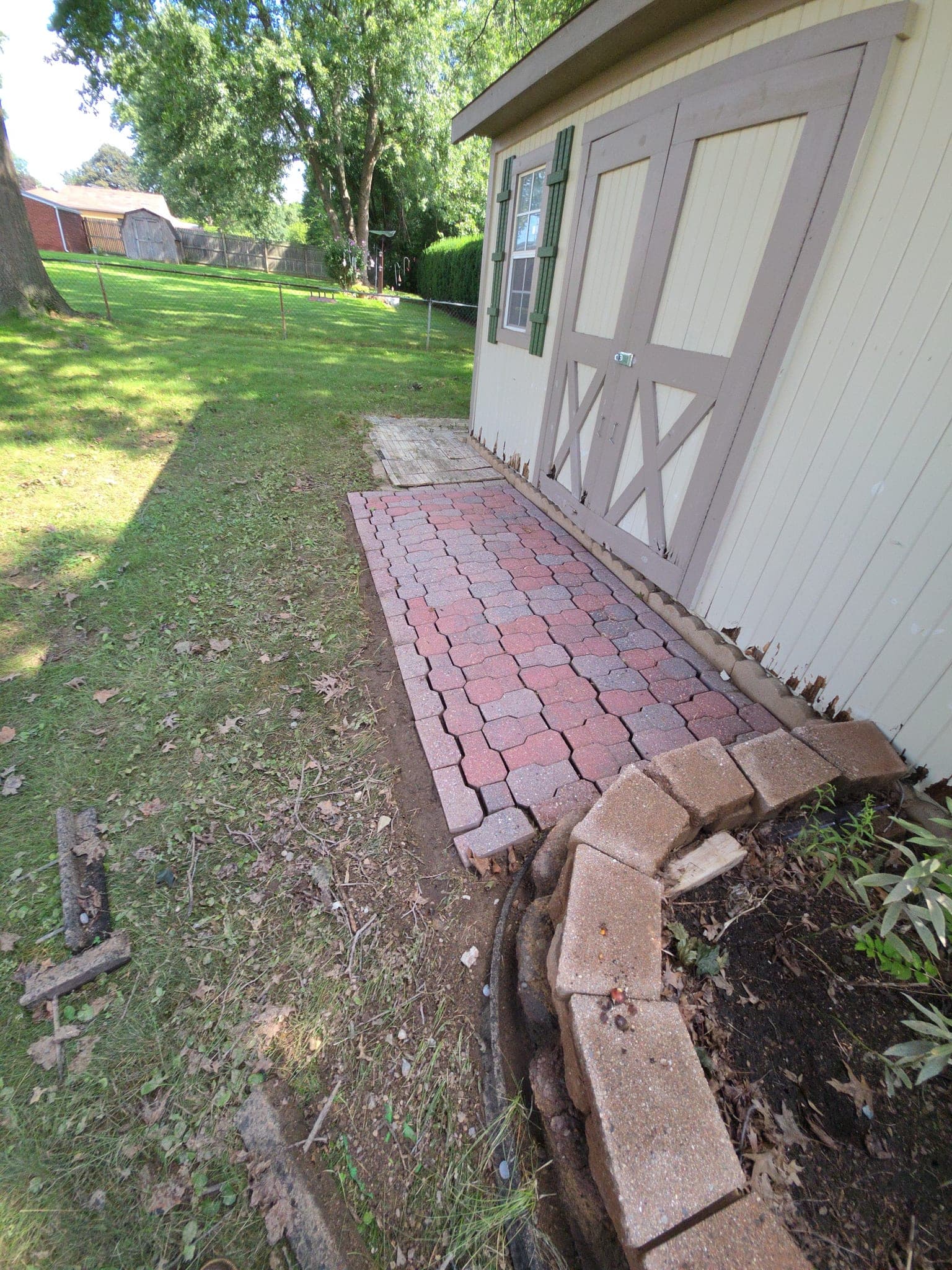
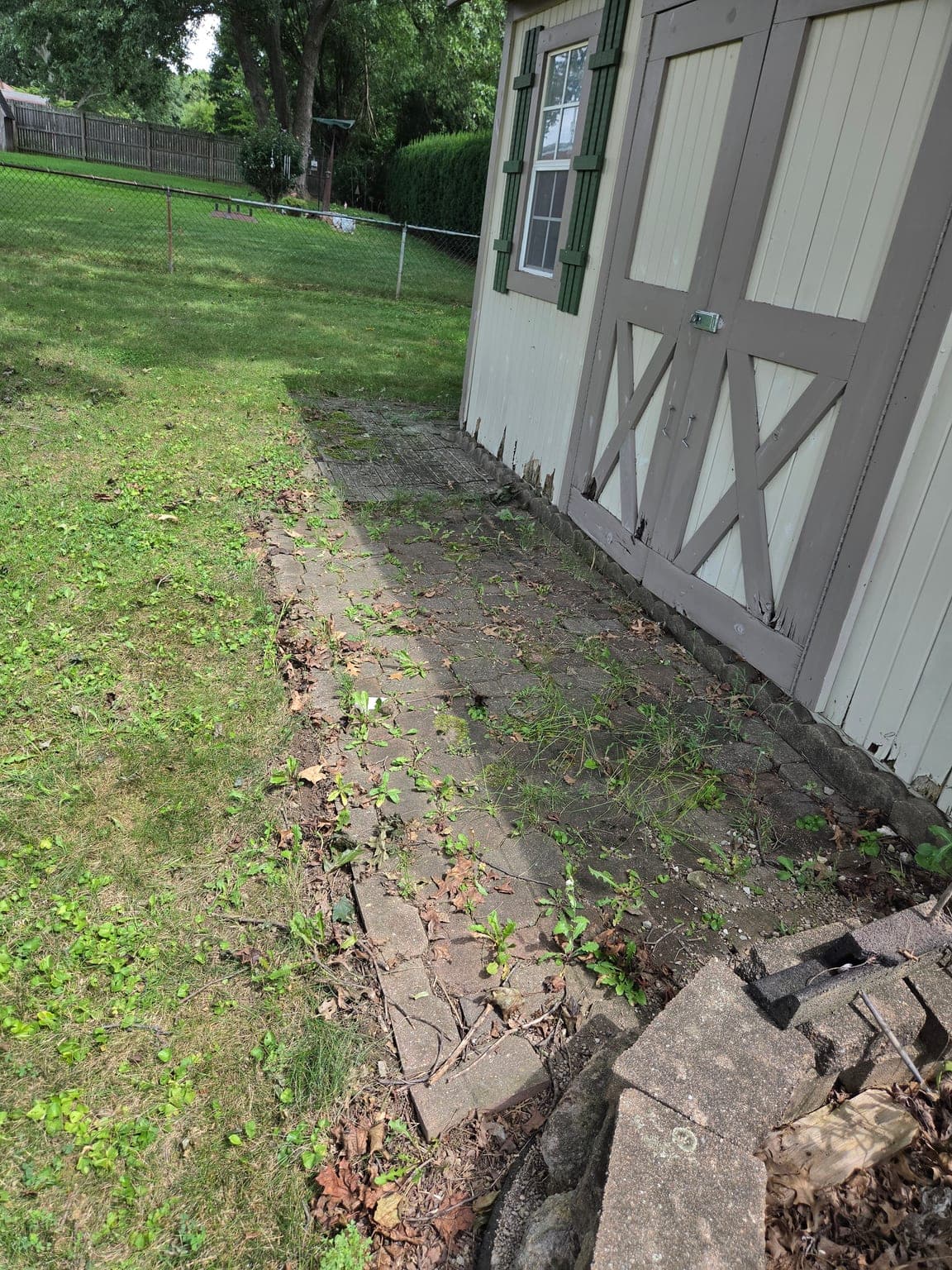
Dover was Canal Dover on the Ohio and Erie Canal, and it still reads like a canal town: brick two-stories with deep porches near the center, newer builds toward the edges, and a market that turns over quickly. Curb appeal moves houses here, and a fair share of our Dover calls come in ahead of a listing.
Exact prices from the price book, by size. Sales tax is shown as its own line on the estimate.
The early-1900s brick two-stories in the central core are $299 up to 1,500 square feet of home and $349 up to 2,000 — the same as a ranch that size, since the second story is not charged for. The 1960s to 1980s ranches toward the edges are $249 to $299. Newer builds at Becker Creek, Willow Glens and North Dover Estates run 2,000 to 2,800 square feet, so $349 to $459, usually with fresh concrete that cleans easily.
Every price we charge is on this site. Find your home’s square footage — or let us work it out from your address — and you have your price. See the full price list.
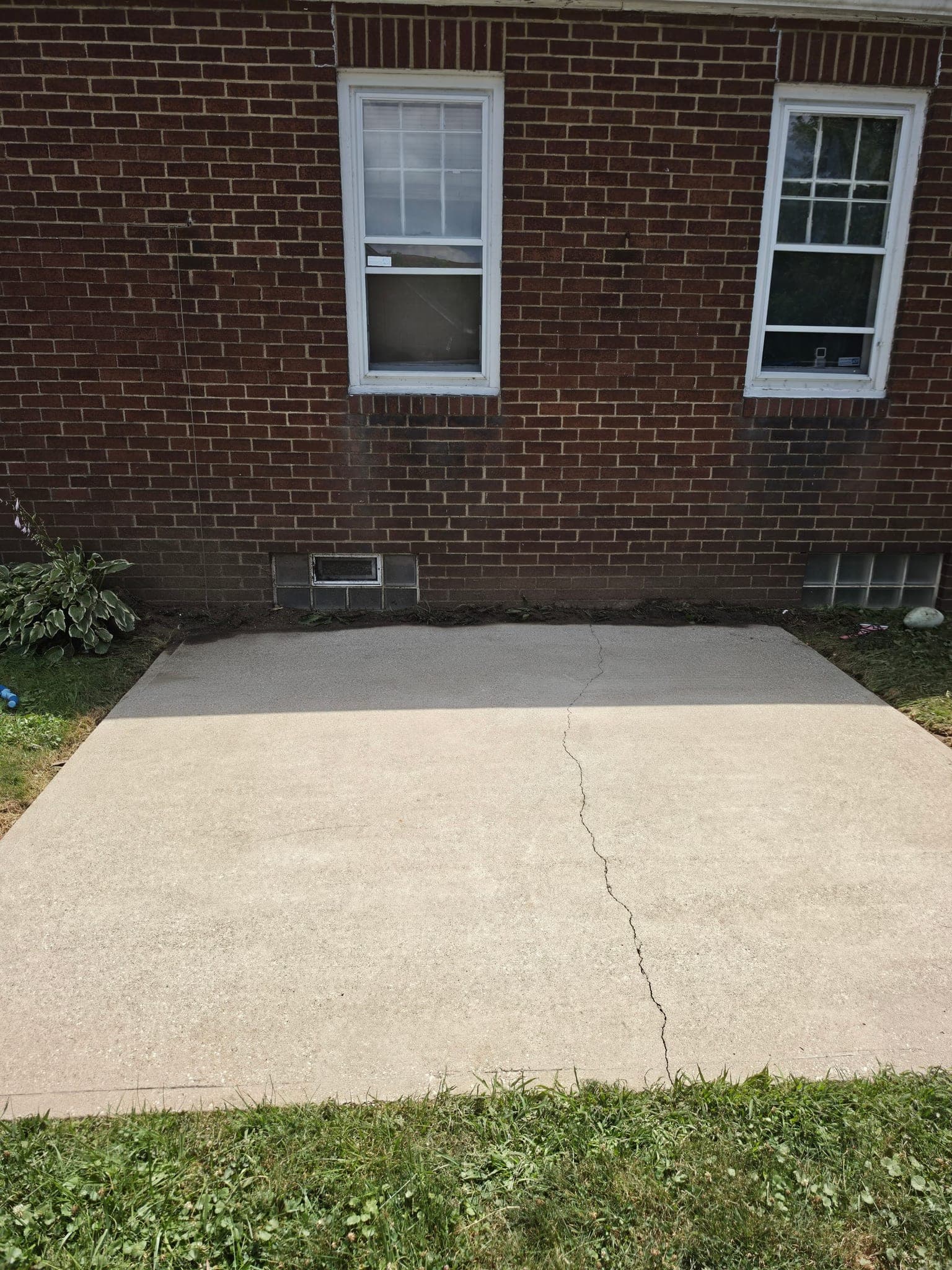
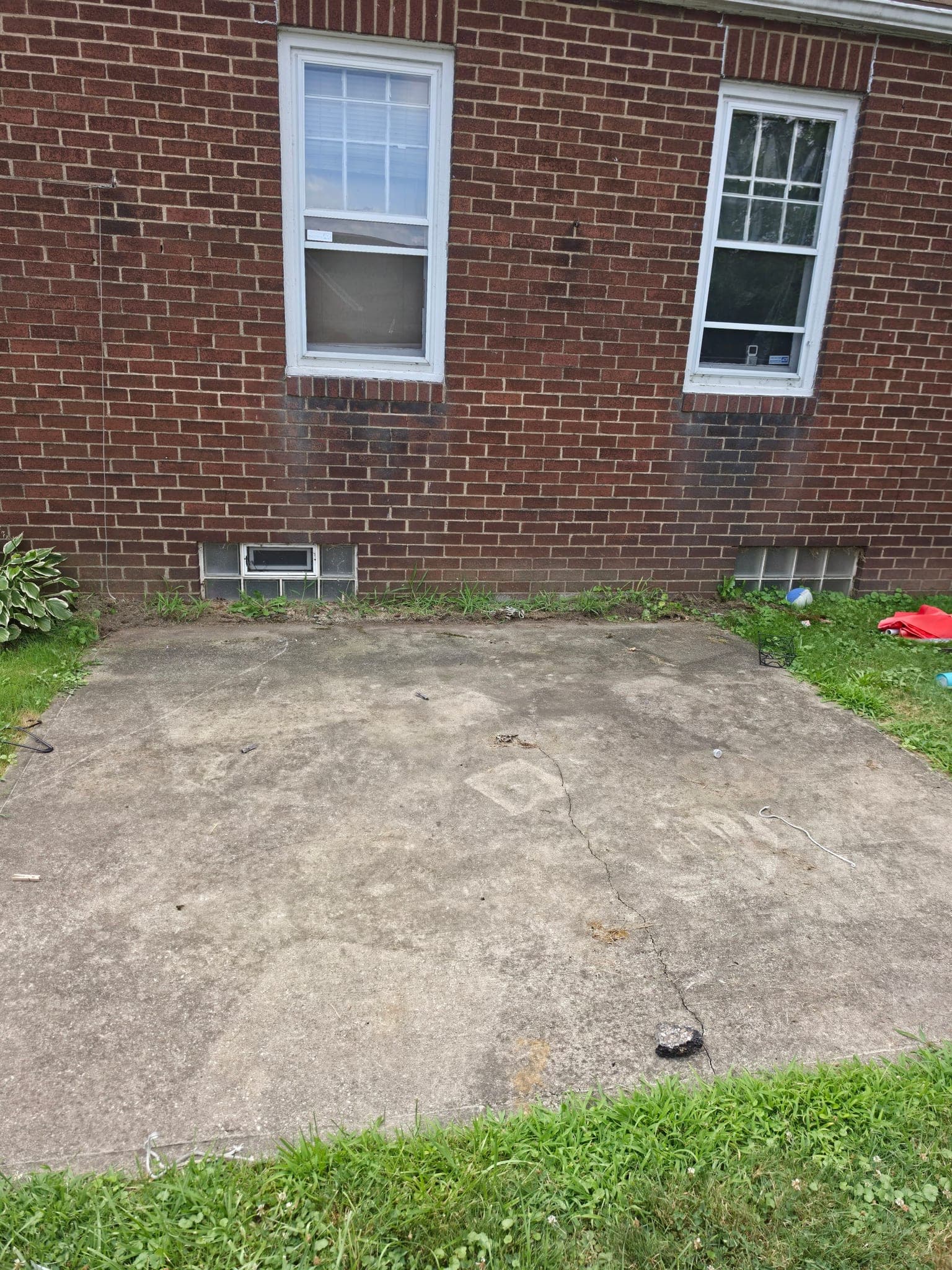
The established neighborhoods hold historic and grand older homes — the sort of early-1900s brick two-story you find along N. Wooster Avenue and N. Walnut Street, and the Warther home itself was built in 1910 from locally made burned bricks. Toward the edges, mid-century and newer housing takes over, and the current new-construction pockets are Becker Creek off Parkdale Drive NW, Willow Glens on Willow Brook Drive NW and North Dover Estates around Northwood Drive, where houses run roughly 2,000 to 2,800 square feet. Many of the older homes need work, and on a century brick two-story a careful wash and a restored porch and drive change a listing photo more than anything short of paint.
Dover splits by era rather than by address. The central streets carry the early-1900s brick and porch stock; Becker Creek, Willow Glens and North Dover Estates are the newer builds with fresh concrete and vinyl. HOAs are largely absent here, so exterior standards are set house by house.
Early-1900s brick two-stories are the signature Dover property, and brick that age has soft mortar joints and painted wood trim that pressure will ruin — so it is soft washing with chemistry matched to masonry, and a rinse that never drives water into a joint. Porches are the other constant: wood decking, painted railings and a century of foot traffic, all of which need deck-safe treatment. Out on the edges the 1960s-through-1980s ranches bring algae-prone asphalt roofs and chalked siding, and the newest builds at Becker Creek, Willow Glens and North Dover Estates have young concrete and fresh vinyl where organic growth shows immediately against light surfaces.
West Third Street is the downtown main street, and the useful thing about its storefront entries and sidewalk frontage is that the two foul on different clocks — the entry from shoes and door traffic, the walk from weather and street spray. Put them on one schedule and one of them is always early. N. Wooster Avenue is the main north-south artery carrying both commercial and residential frontage, so its entry concrete takes through traffic on top of its own customers.
Porches are the constant in Dover — decking and painted railings that have carried a century of foot traffic, which is deck-safe treatment rather than a general house wash. Early-1900s brick here has soft mortar joints, and water pushed into an open joint is a problem you find out about months later rather than on the day. On the newer builds at the edges of town the work is young concrete and fresh vinyl, where growth shows immediately against light surfaces and comes off readily. Curb appeal moves houses in this market, and roof growth needs four to six weeks to finish releasing, so listing photos are worth planning backward from.
The Warther Museum and Gardens on Karl Avenue received a National Historic Marker in June 2024, recognizing its National Register listing, and the 17-room J.E. Reeves Victorian Home and Carriage House Museum — restored by the Dover Historical Society — is the city's showpiece Victorian. Buildings and grounds like these are the standard local homeowners compare their own porches to.
The ones naming Dover go to a page written about this city’s surfaces, with the full price table on it.
Sooner than you would guess, because of contrast rather than volume. The newest builds at Becker Creek, Willow Glens and North Dover Estates have young concrete and fresh vinyl, and organic growth shows immediately against light surfaces — a small amount of green reads clearly on pale concrete or bright siding where it would be invisible on a weathered surface. The good news is that it comes off readily at that stage. On a house this age we will usually tell you the drive and walkways are the useful job and the siding is a light pass rather than a full treatment.
We travel. Cleveland, Solon, Youngstown, Mansfield, and Dover are regular work rather than exceptions. Because they are a longer drive, jobs in those directions are scheduled as full days or grouped with other work heading the same way, so there is a little less flexibility on exact dates. Larger and multi-surface scopes are the easiest to fit at that distance. Build the estimate and you have the price; we confirm a realistic window when you accept it.
You can get your own number right now: the instant estimate prices your property from the address in about two minutes, and what you accept is what you pay.
Yes, with a method built around the mortar. Early-1900s brick two-stories are the signature Dover property, and brick that age has soft mortar joints and painted wood trim that pressure will ruin. So it is soft washing with chemistry matched to masonry, and a rinse that never drives water into a joint — because water pushed into an open joint is a problem you find out about months later, not on the day. We test an inconspicuous area when the brick or a prior coating is uncertain, and we keep the whole elevation at low pressure rather than making an exception for a stubborn spot.
As deck-safe treatment, and as its own service rather than part of a house wash. Porches are the constant in Dover — wood decking, painted railings and a century of foot traffic, which means worn paint, softened wood and fasteners that have been in the weather a long time. Pressure on any of that lifts paint and raises grain, so it is low pressure with a solution suited to painted wood. We inspect the decking and railings first and tell you where cleaning would take off paint that is already letting go, because that turns a cleaning into a repainting job you did not budget for.
You can get your own number right now: the instant estimate prices your property from the address in about two minutes, and what you accept is what you pay.
Yes. Farmhouse siding and porches, outbuilding exteriors, barn-area concrete, equipment pads, and long driveways are regular work, and rural properties usually show more organic staining from open exposure and more tracked soil on the hardscape. Metal outbuildings, painted wood, and aged concrete each call for a different method, so each surface carries its own published price and the walkthrough confirms what is actually there. Water supply matters more out there, so we confirm the source and access before the visit.
You can get your own number right now: the instant estimate prices your property from the address in about two minutes, and what you accept is what you pay.
It does, and usually not in the direction owners expect. West Third Street is the downtown main street, and its awning-shaded concrete reads dingy long before an owner notices — shade hides the gradual drift, so the surface looks acceptable day to day and then looks obviously dirty in a photograph or next to a neighbor who just cleaned. Shaded concrete also holds moisture longer, which favors organic growth. N. Wooster Avenue is the main north-south artery carrying both commercial and residential frontage, which makes it the practical route for recurring storefront and entry programs rather than one-off cleaning.
Usually two things, and they are different jobs. The shaded roof slope carries algae streaking on asphalt shingle, which is a low-pressure soft wash and nothing else — walking or pressuring a shingle roof costs you shingle life. The siding on the elevation that has faced south for forty years is often chalky oxidation rather than dirt, and a lot of siding is made to shed that chalk with washing, so the wash comes first and often takes it off. Whatever is still there once it is clean is treated and priced after we see it. We tell you on the walk-through which of those two you actually have, because they carry different prices and different outcomes.
Why a wash leaves chalky siding chalky-looking, and what actually improves it, is explained in why a wash will not bring the color back.
Learn More — what siding oxidation is and why pressure washing won't fix it
Two different problems on one house. The sun-facing elevations have oxidized — the vinyl finish itself has broken down into a dull, chalky layer, which is why a rinse wets it and it dries back looking the same. A lot of siding is made to shed that chalk with washing, so the wash comes first and often takes it off; whatever is left once it is clean is treated and priced after we see it. The shaded planes, usually the roof, hold moisture and grow algae, which is organic and releases with a soft wash. The 1990s and 2000s Medina subdivisions are almost entirely vinyl siding with asphalt shingle, which is the pairing where this split shows up most.
Why a wash leaves chalky siding chalky-looking, and what actually improves it, is explained in why a wash will not bring the color back.
You can get your own number right now: the instant estimate prices your property from the address in about two minutes, and what you accept is what you pay.
Learn More — what siding oxidation is and why pressure washing won't fix it
Soft washing uses low pressure and surface-appropriate cleaning solutions for delicate materials such as many roofs and siding types. Pressure washing is generally reserved for durable hard surfaces, such as applicable concrete. SurfaceWorks ProWash selects the method based on the material, condition, and project scope.
No — and treating them the same is why a standard wash sometimes disappoints. Washed-out siding on a Northwest Akron split-level or Cape Cod is usually oxidation: the painted or aluminum finish has broken down, so a rinse wets it and it dries back to the same dull grey. The wash comes first and takes off what the siding is designed to shed, and whatever is left is treated and priced after we see it. The dark streaking on the roof is a living organism growing on the plane facing the tree line, and it releases with a low-pressure soft wash. One is a finish problem and one is a growth problem, and they are identified before anything is applied.
Why a wash leaves chalky siding chalky-looking, and what actually improves it, is explained in why a wash will not bring the color back.
You can get your own number right now: the instant estimate prices your property from the address in about two minutes, and what you accept is what you pay.
Learn More — what siding oxidation is and why pressure washing won't fix it